
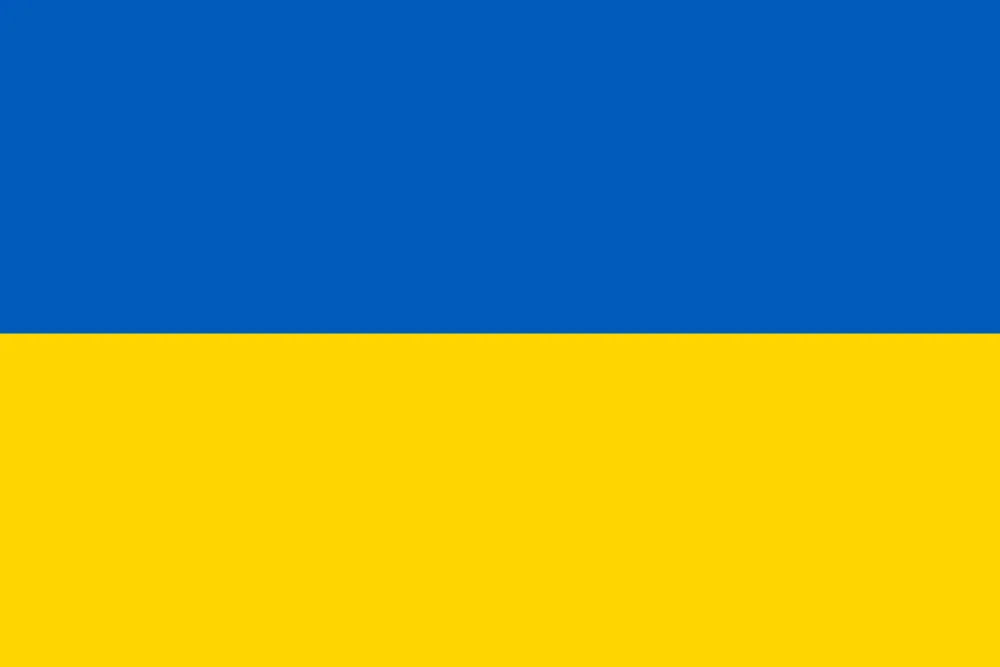
Ukraine, the largest country entirely within Europe, is a nation of cultural diversity, historical significance, and natural beauty. Bordered by seven countries and the Black Sea to the south, Ukraine has a geographic position that has made it a crossroads of civilizations and a focal point of historical developments.
Geography and Demographics
Location and Size
Ukraine covers an area of approximately 603,550 square kilometers, making it the largest country in Europe by land area (excluding Russia, which spans both Europe and Asia). Its location in Eastern Europe gives it strategic importance, with borders connecting it to Belarus, Russia, Poland, Slovakia, Hungary, Romania, and Moldova.
Population
As of 2023, Ukraine’s population is estimated at around 36 million, though this number fluctuates due to ongoing geopolitical challenges. Kyiv (Kiev), the capital, is the largest city and serves as the cultural, economic, and political center of the country.
Historical Context
Ancient Roots
Ukraine has a rich history dating back to the early civilizations of the Trypillian and Scythian cultures. It became a significant center of Slavic culture with the establishment of Kyivan Rus in the 9th century, a powerful medieval state whose legacy is shared by Ukraine, Russia, and Belarus.
Foreign Dominations
Over the centuries, Ukraine was ruled or influenced by various empires and states, including the Mongols, the Polish-Lithuanian Commonwealth, the Ottoman Empire, and the Austro-Hungarian Empire. Most notably, it was part of the Russian Empire and later the Soviet Union, gaining independence in 1991 after the USSR’s collapse.
Culture and Language
Cultural Heritage
Ukraine is known for its rich folklore, vibrant traditions, and contributions to art and literature. The country boasts a unique architectural heritage, including the golden domes of Kyiv’s Pechersk Lavra monastery and the historic city of Lviv, a UNESCO World Heritage site.
Language
The official language of Ukraine is Ukrainian, a Slavic language written in the Cyrillic script. Russian is also widely spoken, particularly in the eastern and southern regions, reflecting the country’s complex linguistic and cultural identity.
Economy
Key Sectors
Ukraine has long been considered the “breadbasket of Europe” due to its fertile soil and vast agricultural output, particularly wheat and sunflower oil. The country is also a significant producer of iron, steel, and machinery.
Challenges and Opportunities
The Ukrainian economy faces challenges, including the impact of ongoing conflicts and structural reforms. However, sectors like information technology and renewable energy are growing rapidly, showcasing the country’s resilience and potential.
Geopolitical Significance
Ukraine has been at the center of geopolitical tensions, particularly since 2014, when Russia annexed Crimea. The subsequent conflict in Eastern Ukraine has profoundly affected the nation, fostering a strong sense of national identity and unity.
Ukraine’s aspirations for closer ties with the European Union and NATO have further defined its modern trajectory, highlighting its strategic importance in the global arena.
Tourism and Natural Beauty
Natural Landscapes
From the Carpathian Mountains in the west to the vast steppes and Black Sea coastline in the south, Ukraine offers a variety of landscapes. The Dnieper River, one of Europe’s major rivers, runs through the country, providing stunning vistas and recreational opportunities.
Historic Sites
Tourists are drawn to sites like the medieval city of Kamianets-Podilskyi, the ghost town of Pripyat near Chernobyl, and the cosmopolitan energy of Kyiv.
Future Outlook
Ukraine’s resilience in the face of challenges is a testament to its people’s strength and determination. With its rich history, cultural diversity, and strategic position, Ukraine continues to navigate its path forward while striving to preserve its sovereignty and heritage.
Sources:
- Historical archives on Kyivan Rus
- UNESCO heritage sites
- Modern reports on Ukrainian geopolitics and economy